October 9, 2026
Refrigerators serve as the cornerstone of the modern kitchen, working around the clock to preserve fresh food, prevent bacterial growth, and keep your daily household routines running smoothly. However, because these appliances operate continuously, they suffer continuous wear and tear that can eventually lead to unexpected breakdowns, food spoilage, and costly emergency replacements. Recognizing early warning signs, understanding when to repair versus replace, and staying ahead of minor mechanical issues empowers homeowners to make smart financial choices while extending the life of their kitchen appliances.
Identify Early Warning Signs
Strange noises are often the first sign that something is amiss inside your unit. Buzzing, clicking, or rattling sounds typically signal underlying issues with the motor, evaporator fan, or compressor. When these core parts start struggling, your fridge fails to circulate cold air efficiently, leading to temperature fluctuations that can leave one shelf freezing while another stays warm. Thermostat defects or failing compressors are usually behind these uneven conditions, making it essential to schedule timely appliance repairs before minor component strain escalates into total operational failure.
Excessive condensation inside compartments or around the door seal also points to severe cooling inefficiencies. Faulty gaskets allow humid room air to penetrate the cabinet, causing moisture build-up, frost formation, and eventual mold growth. Furthermore, if you notice perishable items spoiling long before their expiration dates, your unit is no longer maintaining safe internal temperatures. According to Liberty Home Guard, most refrigerators last up to 15 years, so noticing these performance red flags on an older model means you must address performance issues immediately.
Unexplained spikes in monthly utility bills offer another clear indication that your kitchen cooling equipment is deteriorating. When condenser coils gather heavy dust or internal components age, the system must draw significantly more electricity to sustain basic cooling cycles. This constant overworking accelerates internal mechanical friction, shortening the overall lifespan of the entire system. Requesting professional appliance repairs early on can identify failing components, clean hidden assembly coils, calibrate internal controls, and protect your home from unnecessary energy waste month after month.
Recognize Key Failure Factors
The compressor functions as the pump driving the refrigeration cycle, forcing coolant through condenser and evaporator coils to draw heat out of the cabinet. When this critical component fails due to electrical shorts, age, or lack of maintenance, cooling stops entirely. Replacing or fixing a compressor represents a substantial project, but regular system evaluations can prevent complete burnout. Addressing subtle warning signs like continuous running or clicking sounds through prompt appliance repairs helps protect the unit from catastrophic mechanical failure.
Refrigerant leaks pose another serious threat to appliance functionality and efficiency. Physical punctures in evaporator coils or degraded copper tubing allow heat-transfer gas to escape, stripping the fridge of its cooling power. A distinct hissing sound paired with a cabinet that grows progressively warmer usually points to an active refrigerant leak. Because escaping refrigerant presents environmental hazards and severely strains the motor, homeowners should immediately turn to certified technicians skilled in comprehensive appliance repairs to patch leaks and recharge system fluids safely.
Faulty mechanical thermostats and blocked air vents similarly destroy operating balance. A broken thermostat misreads internal temperatures, causing the compressor to cycle endlessly or shut off prematurely. Meanwhile, overpacking food shelves blocks cold air discharge vents, creating hot spots and forcing air circulating fans to work against severe static pressure. Defective door seals compound these issues by letting warm room air sweep inside. Fixing these simple seal, vent, and thermostat problems early prevents unnecessary mechanical stress on expensive core components.
Apply Routine Preventive Measures
Routine cleaning is the most effective proactive strategy for extending appliance lifespan and maintaining daily operating efficiency. Dust, pet hair, and airborne grease build up on condenser coils over time, blocking heat dissipation and forcing the motor to run much longer cycles. Wiping down interior surfaces, clearing debris from external coils, and sanitizing storage bins keeps airflow unhindered and reduces mechanical stress. Integrating these basic care habits into your regular routine helps your unit smoothly reach its maximum expected service lifespan.
Regularly inspecting door seals and verifying internal thermostat settings also preserves system health. Set your fresh food section to roughly 37°F and the freezer compartment to 0°F to balance food safety with reasonable energy consumption. You can check gasket integrity by closing the door on a dollar bill; if it slides out easily, the seal is loose and letting cold air escape. Replacing worn magnetic gaskets keeps cold air locked inside, saving energy and sparing your compressor from continuous, high-wear operation.
Managing internal storage capacity and scheduling professional tune-ups keep your unit running reliably year after year. Avoid stacking items directly against air vents, as unrestricted circulation prevents cold spots and strain on circulation fans. Arranging groceries neatly ensures consistent cooling throughout all shelves. Beyond daily care, booking annual inspection service allows a skilled technician to catch electrical faults, test mechanical relays, and inspect refrigerant lines early, optimizing efficiency and preventing surprise breakdowns during peak summer heat.
Evaluate Repair Versus Replacement
Deciding whether to repair or replace a failing unit comes down to balancing age, repair costs, and energy efficiency. If estimated service charges approach half the price of a brand-new model, investing in fresh equipment is generally the smarter financial choice. However, if the unit is relatively young and facing a minor part failure, ordering appliance repairs provides a fast, economical solution that restores full performance without the hassle and expense of a full kitchen appliance replacement.
According to Liberty Home Guard, most refrigerators last 12 to 15 years, making age a crucial benchmark during your decision process. Older units sitting near or past this age range often suffer from compound component fatigue, meaning fixing one broken part may only buy a few months before another fails. Furthermore, legacy models consume far more power than modern units. Replacing an ancient fridge with an energy-efficient model lowers monthly utility bills, offering long-term savings that gradually offset the initial purchase cost.
Component availability and overall user satisfaction also dictate the best path forward. Finding replacement parts for outdated or obscure fridges can be difficult and expensive, leading to long delays while waiting for backordered shipments. Conversely, modern units utilize readily available parts that technicians can source and install quickly. If your current unit no longer provides sufficient storage, lacks modern temperature control features, or requires constant service calls, upgrading to a reliable new appliance delivers immediate convenience and complete peace of mind.
Make Smart Purchase Decisions
Selecting the right replacement or deciding on major service requires carefully weighing your household lifestyle and financial budget. Larger families require high-capacity layouts with flexible shelf arrangements, while smaller households might prioritize compact designs with ultra-low power consumption. While a new appliance requires an upfront investment, long-term savings on utility bills and reduced service needs make it a wise decision. Comparing immediate service costs against long-term operational savings helps you choose the most cost-effective path for your home.
Thoroughly researching appliance brands, warranty terms, and service availability ensures you make an informed purchase. Check customer feedback regarding long-term reliability and verify that local technicians offer specialized appliance repairs for the specific brand you choose. Strong manufacturer warranties covering compressors and sealed systems provide invaluable financial protection against early component failures. Prioritizing brands known for responsive customer support and readily available replacement parts guarantees stress-free maintenance throughout the life of your purchase.
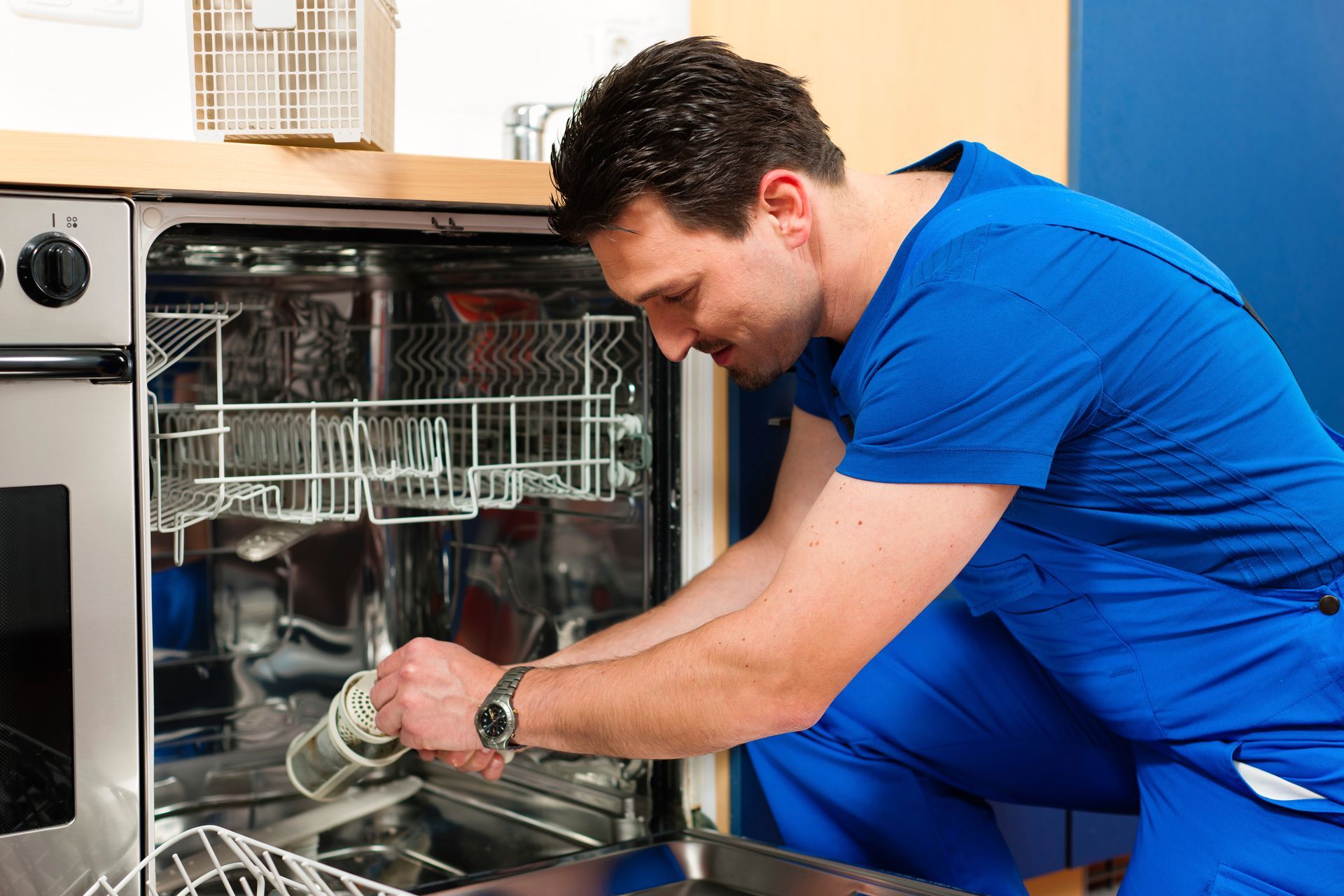
Whether you need routine maintenance, rapid troubleshooting, or comprehensive appliance repairs to keep your kitchen running smoothly, fast assistance is essential. Professional technicians deliver complete home solutions, offering dishwasher repair, oven repair, refrigerator repair, stove and range repair, sub-zero refrigerator repair, wine refrigerator repair, dryer repair, and washer repair. Take advantage of a free service call with repairs, same-day repairs, and emergency services to resolve urgent mechanical issues immediately. Contact All American Appliance Service today to restore peak performance and reliability to all your essential home appliances!